ACCOMPANIMENTS

The perfect accompaniment can really heighten the flavors of a dish. We've created a collection of sauces, spice rubs, compound butters and more to accent your meals with an additional touch of flavor.


To browse these recipes in a list format, along with all of our recipes by category, see our Full Recipe Listing.


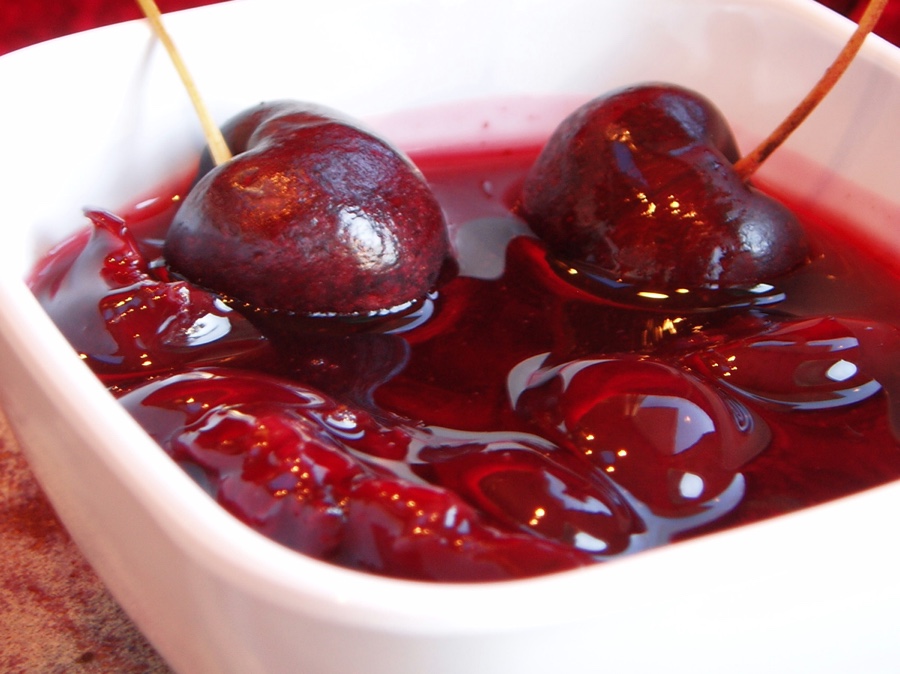
Cherry Port Sauce

Posted on 17 August 2010 by The Gilded Fork

Sweet dark cherries simmered in ruby port wine with a hint of star anise and cinnamon is the ideal topping for a perfect ending dessert. Serve over ice cream, as a filling for éclairs, or a spread for cheesecake.

4 servings

Ingredients

1 cup ruby port
¾ cup sugar
1 lb fresh or frozen pitted cherries
1 cinnamon stick
¼ teaspoon ground star anise
5 teaspoons cornstarch
5 teaspoons water
1 teaspoon vanilla

Equipment

Small saucepan, cherry pitter (or paring knife), plastic gloves, plastic cutting board

Preparation

Prepare the cherries:
Pit the cherries using a cherry pitter or paring knife. To use a paring knife, cut around the circumference of the cherry, pull the halves apart and remove pit.

[Chef’s note: Cherry juice will stain. Use care when pitting the cherries by using plastic gloves, cutting boards and frequently wiping up juice spills on your counter.]

Make the sauce:
Combine the port wine and sugar in a small saucepan and bring to a boil. Add the cherries, cinnamon stick and star anise and simmer for 5–10 minutes until the mixture reduces and starts to become syrupy.

[Chef’s note: If using frozen cherries, you might need to simmer a bit longer to defrost the cherries and reduce the resulting water.]

Mix the cornstarch and water together to make a slurry, stirring until completely dissolved. Add the cornstarch slurry to the sauce and bring to boil. Reduce the heat, and continue to simmer until the mixture is thick and shiny. Remove from the heat and cool completely. Cover and chill until ready to serve.

Service

Serve over your favorite ice cream or creamy rice pudding. The sauce can also be spread over cheesecake.

Variations

For a great homemade Cherries Jubilee Ice Cream, bring a quart of good-quality vanilla bean ice cream to room temperature, mix the Cherry Port Sauce with the ice cream and place back into a freezer-safe container. Freeze 24 hours, then serve.

Recipe and photo by Lia Soscia

Tags: , ,

Comments (0)

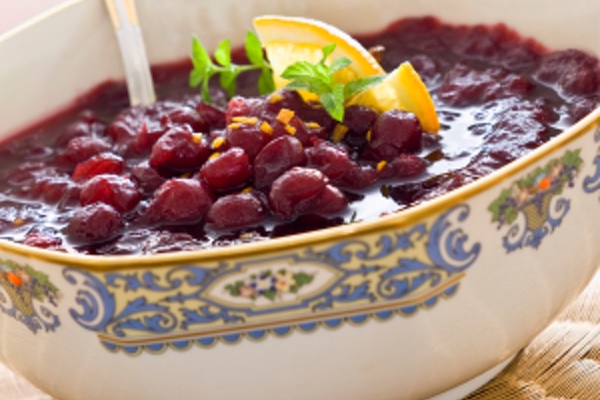
Spiced Cranberry & Orange Relish

Posted on 12 November 2009 by The Gilded Fork

Autumn rarely goes by without at least one meal that contains a freshly prepared cranberry relish. Chicken, turkey, or chops adore being dressed with this relish, and the spices will add a wonderful scent to your home as the cranberries simmer.

4 servings

Ingredients

1 pound fresh cranberries
1 1/2 cups water
5 whole cloves
5 whole allspice berries
2 cinnamon sticks
2 large navel oranges, peeled and chopped
3 cups sugar

Preparation

Place the cleaned cranberries into a 3-quart saucepan. Add the water and bring to a boil. Place the spices in a small cheesecloth bag tied with string. [Chef's Note: A coffee filter tied with string can also be used.] Add the spice package to the cranberries and simmer over medium heat until the cranberries pop, about 10 minutes.

Remove the cranberries from the heat and remove the spice package. Stir in the sugar and chopped oranges. Place in a container and chill in the refrigerator for at least 4 hours or overnight.

Service

Serve cold with your favorite meats or fish.

Recipe by Lia Soscia

Tags: , , , , ,

Comments (0)

Pepitas (Spicy Pumpkin Seeds)

Posted on 28 October 2009 by The Gilded Fork

In Mexico, pepitas are a favorite savory snack. Lightly toasted with salt, sugar, and a hint of chipotle chile, they are a perfect addition to a snack tray for a card game or a pre-dinner cocktail. (We do love them with a glass of Prosecco.)

Ingredients

1 cup pumpkin seeds
3 garlic cloves, minced
kosher or sea salt, to taste
2 teaspoons crushed dried cipotle chiles
sugar, to taste
lime wedges, to serve

Preparation

Scoop the seeds out of a pumpkin and rinse them briskly in a bowl of water to separate out the strings. Lay the seeds out on paper towels and blot well to dry.

Heat a heavy-bottomed sauté pan over medium-high heat and add the pumpkin seeds, dry-frying them for a few minutes. They will dry out and begin to swell. Be sure to keep the seeds moving in the pan so they don’t burn.

After the seeds have puffed up, add the minced garlic and sauté for a few minutes more, adding the salt and crushed chipotles. Remove from the heat and sprinkle the sugar over the seeds, then shake the pan well to coat the seeds.

Serve the pepitas hot with wedges of lime for squeezing over the hot seeds.

Tags: , , , , ,

Comments (0)

Roasted Fennel with Lavender & Honey Marinade

Posted on 03 August 2009 by The Gilded Fork

We presented this recipe earlier as a great marinade for chicken or meat, but it’s equally delicious on roasted vegetables, especially fennel, which has a crisp brightness.  The sweetness of the honey and balsamic vinegar bring out the aroma of the lavender, and create a lovely brown glaze.

Makes about 1 cup of marinade

Ingredients

1 tablespoon thyme
1 tablespoon rosemary
1 teaspoon lavender
½ cup honey
1 ½ teaspoons marjoram
1 garlic clove, minced
1 shallot, minced
¼ cup aged balsamic vinegar

Vegetables suitable for grilling or roasting: Fennel, red peppers, corn, potatoes, or other root vegetables

Equipment

Non reactive mixing bowl
Pastry brush
Roasting pan

Preparation

Combine all marinade ingredients in a non-reactive bowl and stir thoroughly.

Preheat the oven to 350° F or prepare an outdoor grill. If using fennel, trim the fronds and shave off the bottom of the root end. Slice into wedges, but leave the root intact in the bottom of each piece to keep them together. If using other vegetables, cut into large pieces. If oven roasting, you may marinate the pieces in advance. Place in a roasting pan at roast for 20 minutes.

After 20 minutes, baste the vegetables with the lavender honey marinade every 5 minutes or so for an additional 20 minutes or until completely cooked.

[Chef’s Note: If you are roasting in the oven, feel free to marinade the veggies before hand. If grilling over flame or charcoal, do not marinate, but rather drizzle lightly with extra virgin olive oil, and grill, basting the vegetables near the end of cooking so as not to burn the marinade.]
Recipe and photo by Mark Tafoya

Tags: , , ,

Comments (0)

Steamed Artichokes with Lemon Herb Mayonnaise

Posted on 04 June 2009 by The Gilded Fork

Artichokes are immensely satisfying, partly because enjoyment of the sweet tender flesh from the hearts is the result of a lot of hard work! But it doesn’t have to be difficult to prepare artichokes; this simple classic is so satisfying, and here we explain the basic technique for preparing artichokes for any recipe. The accompanying herbed mayo is refreshingly tart thanks to the addition of lemon zest and juice, and is especially resplendent when tarragon is used.

4 servings

Ingredients

4 large artichokes
2 lemons, 1 zested
1 tablespoon fresh herbs (parsley, chives, tarragon, or chervil), minced
1 cup mayonnaise
Salt and freshly ground pepper, to taste

Equipment

Sharp knife, kitchen scissors, spoon, pot with steamer insert

Preparation

Fill a pot with a steamer insert with about 1-2 inches of water and set it to boil, covered. Meanwhile, fill a bowl with very cold water and the juice of one of the lemons. Have this ready before prepping the artichokes so you can immediately plunge them into the acidulated water to prevent discoloration. Reserve the squeezed lemon halves and put them in with the hot water.

Prepare the artichokes:
Working with one artichoke at a time, and using a very sharp knife, trim the bottom of the stem of each artichoke, and trim the outer skin of the stalk. Leave as much of the stalk as possible, since the tender inner part is edible and quite good. Next, cut the top ½”-1” off each artichoke, being sure to remove the spiny tips. Remove the outermost leaves, and then with kitchen scissors snip the spiny tips from the remaining leaves.

Gently loosen the tightly packed inner leaves to get at the inner leaves and the choke. Using a spoon, gently dig into the center and scrape inward, pulling out the choke. Be sure to scrape away all the hairy fibers, as they are inedible and irritating.

[Chef’s Note: An alternative way to clean the artichokes, depending on the needs of your recipe, is to first snip off the spiny tips, then to quarter them while still whole and scrape out the choke from each quarter.]

Rinse the artichoke to remove any last fibers from the choke and immediately plunge into the acidulated water. Repeat the process with the remaining artichokes.

Place the artichokes in the steamer basket stem-side up so they fit snugly. Cover and steam for 25-30 minutes, until an outer leaf pulls away easily and the stalk is knife tender.

Prepare the herbed mayonnaise:
While the artichokes steam, prepare the mayonnaise by adding the minced herbs, lemon zest and juice to the mayonnaise and mixing thoroughly to combine. Season with salt and pepper to taste.

Service

To serve hot, drain the artichokes upside down for a minute or two, then plate with a small bowl of herbed mayonnaise on the side for dipping. The outer leaves can be pulled off and dipped into the mayo, then the fleshy bit at the bottom of each leaf eaten by scraping with the teeth. Once the outer leaves have been removed, the heart and bottom can be eaten with a knife and fork.

The artichokes can also be served chilled or at room temperature. To store, place cut-side down in an airtight plastic container.

Recipe by Mark Tafoya

Tags: , , ,

Comments (0)

Roasted Asparagus with Tarragon Butter Sauce

Posted on 07 March 2009 by The Gilded Fork

Although asparagus is available year-round, it is a traditional side dish for any spring feast (and best when freshly picked from the farm). The rich essence of freshly minced tarragon adds a lovely flavor to the velvety butter sauce, making it a perfectly luxurious way to dress up freshly roasted asparagus. The extra sauce will not go to waste either: It can complement your favorite grilled or pan-sautéed meats.

4 servings

Ingredients

1 pound fresh asparagus
3 tablespoons extra virgin olive oil
salt and pepper, to taste
2 tablespoons unsalted butter
2 tablespoons flour
¾ cup whole milk
2 teaspoons white wine vinegar
2 tablespoons fresh tarragon, minced
2 tablespoons fresh lemon zest

Equipment

Sheet pan
Small saucepan
Whisk

Preparation

Prepare the asparagus:
Preheat the oven to 400°F. Rinse and dry the asparagus. Trim off the tough ends by holding one asparagus stalk at both ends and bending. The asparagus will break where it becomes tender. Use this piece of asparagus as a guide to trim the remaining stalks with your knife.

Place the asparagus stalks on a sheet pan and drizzle with the extra virgin olive oil. Season with salt and pepper and blend well. Roast in the oven for about 15 to 20 minutes or to desired doneness. Set aside.

[Chef’s Note: Be sure all the stalks are in a single layer in the roasting pan so they roast evenly. If they all do not fit in the one pan, use two; a crowded pan will create steam and inhibit the asparagus from roasting properly.]

Make the tarragon butter sauce:
In a small saucepan, melt the butter. While whisking, add the flour to the melted butter, slowly incorporating it to prevent lumps. Keep whisking and cooking the roux for a minute or two until it is smooth and well blended. Slowly add the whole milk ¼ of a cup at a time while whisking constantly. Keep whisking to prevent lumps from forming. Keep adding the milk until it reaches the desired consistency (coating the back of a spoon). Add the white wine vinegar and the minced tarragon. Cook the sauce for a few minutes longer, whisking as it cooks. Season to taste with salt and pepper.

Spoon the sauce over the roasted asparagus spears and garnish with the lemon zest. Serve immediately.

Recipe and photo by Lia Soscia

Tags: ,

Comments (0)

Lavender & Honey Roasted Chicken

Posted on 26 January 2009 by The Gilded Fork

This marinade is great for roasted chicken, duck, hens, or any poultry.  The sweetness of the honey and balsamic vinegar bring out the aroma of the lavender, and create a lovely brown glaze on the bird.  You may also use this as a glaze for grilling chicken pieces, but be sure to baste it near the end of the cooking time to ensure that the glaze doesn’t burn.

Makes about 1 cup of marinade

Ingredients

1 tablespoon thyme
1 tablespoon rosemary
1 teaspoon lavender
½ cup honey
1 ½ teaspoons marjoram
1 garlic clove, minced
1 shallot, minced
¼ cup aged balsamic vinegar

Whole chicken, chicken pieces, or smaller poultry such as a poussin, quail, or cornish hen

Equipment

Non reactive mixing bowl
Pastry brush
Roasting pan
Meat thermometer

Preparation

Combine all ingredients in a non-reactive bowl and stir thoroughly.

Preheat the oven to 350° F. Season a whole chicken or chicken pieces (leave the skin on) with salt and pepper. Roast the chicken for 30 minutes (reduce time for a smaller bird such as a poussin or cornish hen).

Baste with the lavender honey marinade every 5 minutes or so for an additional 30 minutes or until completely cooked. The bird is done when a thermometer inserted into the thickest part of the thigh registers 165° F. Do not overcook.

[Chef’s Note: Once the bird has browned nicely, you can cover it with foil until it is finished cooking to prevent the skin and marinade from burning. Once finished, you can brush additional marinade between the flesh and the skin.]

Recipe and photo by Mark Tafoya

Tags: , , , , ,

Comments (4)

Caramelized Fig Spread

Posted on 17 January 2009 by The Gilded Fork

Fresh figs are already sweet and delicious on their own. However, we prefer to roast them under the broiler with a light coating of sugar to enhance their richness and make them easier to blend with other luscious ingredients. This fig spread can be served with an assortment of crackers and toast points as well as over slices of roasted pork or a succulent grilled steak.

4 servings

Ingredients

8 fresh figs, stemmed and halved
1 medium sweet onion, sliced thinly
4 tablespoons sugar, divided
2 tablespoons good-quality balsamic vinegar
1 tablespoon extra-virgin olive oil
1 teaspoon salt

Equipment

2 baking sheets lined with foil
Food processor

Preparation

To roast the figs and onions:
Preheat the broiler. Gently clean the figs with a damp paper towel. [Chef’s Note: Do not wash figs under running water, as they will become mushy and soak up too much additional liquid.] Remove the stems and slice the figs in half. Place the cut figs on one of the baking sheets, cut side up. Sprinkle about 2 tablespoons of the sugar over the cut sides. Place the baking sheet in the oven about 6” away from the broiler element and broil the figs for about 4 minutes or until the sugar is caramelized and the figs are softened. Remove the figs from the broiler and let cool.

Place the sliced onions on the second baking sheet and place under the broiler about 6” away from the broiler element and broil for about 4 minutes or until onions are soft and lightly browned. Watch them carefully as they might burn easily. Remove from the broiler and let cool.

To prepare the spread:
Place the figs and onions in the bowl of the food processor fitted with the chopping blade. Add the remaining ingredients and pulse until slightly smooth but still a bit chunky.

Service
This delicious fig spread can be served immediately or can be stored in a tightly sealed container in the refrigerator for about a week.

Variations
Caramelized Fig Spread is a perfect accompaniment to a platter of fine cheeses, fruits and assorted crackers. We’ve also been known to enjoy this rich spread smoothed over a slice of pumpernickel bread that is topped with a piece of softened brie cheese and melted under the broiler for about 1 minute. Delicious!

Recipe and photo by Lia Soscia

Tags: , , ,

Comments (0)

Pan de Higo (Spanish Fig Cake)

Posted on 01 December 2008 by The Gilded Fork

Pan de higo is a traditional way to preserve figs for the cold winter months. The artisanal fig cake is a specialty of Jaen in Andalusia, and as it contains no flour, the cake will last a long time. This is such a traditional and amazing recipe we haven’t given it our usual twist – we’re just presenting it in its delicious simplicity. Pan de higo travels well, and is perfect for a Spanish-themed picnic; pack along with chorizo, manchego or garrotxa cheese, some crusty bread, and a bottle of Spanish wine.

8 servings

Ingredients

1 pound dried figs
½ cup Marcona almonds
¼ teaspoon ground cloves
2 tablespoons sesame seeds
½ teaspoon anise seeds
Cinnamon, to taste
1 tablespoon honey
Brandy, as needed to bring the mix together

Equipment

Food processor

Preparation

Toast the almonds and grind them in the food processor, pulsing gently until the almonds are chopped, but stop before they turn to a paste. They should be of varying sizes.

Clean the dried figs, removing the stems, and mince them in the food processor.

Mix the almonds with the figs, the ground cloves, the sesame seeds, anise seeds and a dash of cinnamon, to taste. Add the honey and just enough brandy to hold the mixture together, mixing well to evenly distribute the seeds and the liquid.

Lightly flour a clean counter and form the cake into a loaf shape or log shape. Place the pan de higo in a container with a weighted plate on top to compress it, and let stand in a cool dry place for several days to dry it out.

Service

Slice the pan de higo and serve with slices of manchego cheese, or serve drizzled with honey. It’s also lovely with a glass of sherry.
Recipe and photo by Mark Tafoya

Tags: , ,

Comments (1)

Chocolate Cranberry Jam

Posted on 25 October 2007 by The Gilded Fork

Homemade jam is one of the most flavorful ways to preserve fruit, and with the basics of fresh fruit, sugar and spices, making your own jam is a lot simpler than you may think. This recipe pairs tart cranberries with rich chocolate for a deliciously sinful jam.

Makes slightly more than 1 pint

Ingredients

1 12-ounce bag of fresh cranberries
1 1/2 cups (12 ounces) sugar
1/3 cup water
1 star anise
2 teaspoons orange zest
2 1/2 ounces bittersweet chocolate (60-72% recommended), finely chopped

Equipment

Pastry brush
Pint jar or canning jar
Rubber spatula
Tall non-reactive metal saucepan
Zester

Preparation

Combine the sugar and water in a saucepan. Mix until the sugar is completely covered with water, resembling wet sand. Add the star anise and orange zest. Wet your hand or a pastry brush and run it around the edge of the pot to remove any stray sugar crystals. Place the pan over medium heat and bring the sugar to a simmer. Continue to simmer briskly, without stirring, until the sugar reaches hardball stage (248 degrees F) and the bubbles on the surface begin to look evenly sized.

Immediately add the cranberries, stirring with a rubber spatula. Reduce the heat to medium-low and continue to cook, stirring often, until all of the cranberries have softened and the jam thickly coats the back of a spoon. Remove the pan from heat and immediately stir in the chocolate until it is completely combined. Transfer to a jar to cool, then store in the refrigerator.

[Chef's Note: When you add the cranberries, they may begin to clump together. Don't worry, as they will soon begin to pop as their skins burst, release all of their succulent juices and melt the sugar again.]

Service

A spoonful of the jam is a delightful accompaniment with poultry or lamb. Spread on toast, biscuits or scones for a luscious breakfast.

Variations

Jam-making can be one of the most creative ways to preserve fruit, and this jam is no exception. Omit the chocolate for a wonderfully fragrant cranberry jam, or try this recipe with other fruits to create your own recipe. Use different flavorings and spices instead of the star anise and orange: Lemon, lime, cinnamon, nutmeg, ginger, cloves or peppercorns make flavorful additions. Brown sugar can also replace the white.

Recipe and photo by Monica Glass

Tags: , , , ,

Comments (0)


Site hosting provided by fooMG